Open Delta Transformers in Power Distribution Units- A Guide to Choosing Between Designs
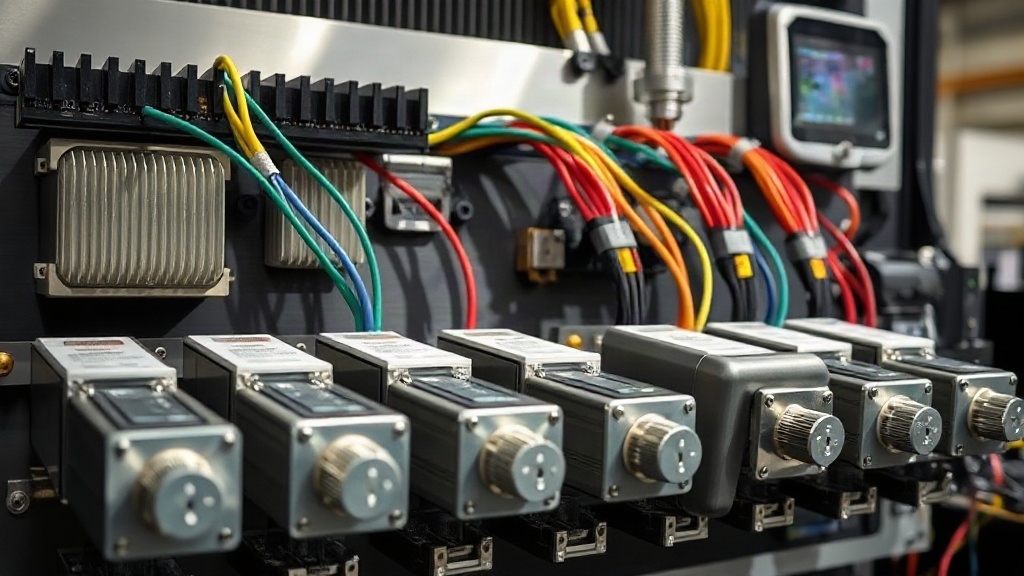
Open Delta Transformers in Power Distribution Units: A Guide to Choosing Between Designs
Power gear may seem simple until a fault stops work. In power distribution units, each choice should fit the real load, space, and supply. A PDU can hold several branches with varied load shapes.
With open delta transformers, choosing between designs is easier when the site data is clear. This guide follows the work from the first check to safe use. It also points out limits that can be missed in a quick order.
Before a purchase, it helps to read about an open delta transformer for this kind of duty. Its main role is three-phase supply from a two-unit V connection. Read the ratings with care and ask how the design fits the site.
Brief Overview
- Match the transformer bank to real site loads and duty hours.
- Save test notes and wiring maps for future work.
- Check the line range, heat, and room space before buying.
- Make earth, fuse, and fault checks part of the plan.
- Test with a real load, not just with an empty output.
Set the Scope Before the Order
An open delta uses two units in a V-shaped three-phase link. For power distribution units, name the key load before you choose the part. It can keep three-phase service where a full bank is not needed. When the need is plain, the right design is easier to spot. Start with the fault the team can prove. Use plain terms in the work brief. Write down which staff member will make each check. Do not buy a part to cure a vague complaint.
Set a clear goal for the final output. That helps link the plan to daily work. This keeps the brief tied to a clear site need. Keep the plan tied to real site data. Put the goal on the first page of the work brief. A plain record can save time at the next stop. Ask what will still need a second device. The unit will add little value if it does not solve the measured problem. Use the real duty cycle, even if it seems mild.
What the kVA Rating Must Cover
The usable three-phase kVA is less than that of a full delta bank. For power distribution units, service access may be as key as the first cost. Load balance and power factor can affect real duty. That is why the work cycle matters as much as peak kVA. Include duty hours in the design note. Ask for the peak current at the real site. Think about how the work will be done next year. Note the load at both start and steady run.
electrical chokesDo not size from an old panel tag alone. Make sure the load owner signs off on the result. This gives a sound base for the kVA choice. Read the full load sheet before you choose kVA. Where loads change often, note the peak and the base case. Small details may shape how long the unit lasts. Leave a fair margin for normal growth. Peak current may last a short time, yet it can still shape the wire plan. Ask what happens when the line is at its worst.
Keep Protection in the Design
Each unit needs a sound fuse and earth scheme. For power distribution units, use site values rather than a broad rule of thumb. A missing phase can create unsafe load conditions. Good fault care starts with a full system view. Review the system, not just this one unit. Keep live parts out of reach during tests. Ask who will read the gauge once the line is live. Mark earth links and cable ends in the plan.
Check the site code before work begins. Check the space with a tape, not a rough guess. This lowers the chance of a fault with no safe stop. Do not guess a fuse size from the kVA alone. Mark each fault guard on the one line drawing. This also makes site checks much less hard. Use guards that match the fault level. Each fuse or breaker must suit the cable, load, and fault duty. Do not let a short trial stand in for a full shift.
Keep the Unit Fit for Long Use
Check both units and all link points at planned stops. For power distribution units, service access may be as key as the first cost. Watch for hot ends, dust, and loose clamps. Simple checks can catch a slow rise in heat. Link each check to a named team member. Set a check plan based on hours and site dust. Keep all key notes on the same site drawing. Use a safe shutdown for any hands-on check.
Do not open a live case to save time. Use a clear photo of the old panel if it helps. This can help staff spot wear before it grows. Ask the maker which parts need routine care. When the site brief is ready, review an open delta transformer. Its role is three-phase supply from a two-unit V connection. Do not assume every unit has the same rating or case. Make the next check date easy for staff to find. Good planning can cut the risk of a late change. Record heat marks before they grow worse. The check rate should reflect heat, dust, and how long gear runs. Talk with the site team about how the gear is used.
Compare Options by Site Need
A full delta uses three units and offers more bank capacity. In power distribution units, heat, space, and load may change through the day. An open delta can suit smaller loads with a sound design. A sound choice is based on the limit each option has. Think about service work after the sale. Check size, heat, loss, and upkeep side by side. Write down which staff member will make each check. A short choice note can prevent later doubt.
Use the same load data for each option. Keep all key notes on the same site drawing. An open delta bank has less capacity than a matched closed delta bank. A low price does not mean a good site fit. List the limits of each option on the same page. That check is worth doing before a unit is made. Ask what each option cannot do. Write down any need for isolation, since that can change the best option. Use the real duty cycle, even if it seems mild.
Leave Room for Load Growth
More load may make a third unit worth the cost. In power distribution units, the load list may grow once the site is in use. Leave space for a full bank if demand may rise. Growth is easier to handle when it is part of the first plan. Plan for a safe cutover in a live plant. Map the load that may be added next year. That helps link the plan to daily work. A small early change can save a hard rebuild.
Recheck the heat plan when kVA goes up. Use a clear photo of the old panel if it helps. This helps avoid a hard change in a live panel later. Keep drawings that can be changed with ease. Mark the parts that may need new ratings later. The best choice is one the team can test. Keep spare room only where it can help. A larger unit may need new wires, guards, and more room for air. Check the space with a tape, not a rough guess.
Frequently Asked Questions
Who should approve the first start?
A skilled electrical team should review the wiring and guards. They should also log the first test readings. Do not use trial and error with live power.
How can the site lower the risk of early faults?
Use sound links, clean vents, and a regular check plan. Keep the load within its rating. Do not ignore heat marks, a strange smell, or a guard that keeps tripping.
Should a design leave room for new load?
Yes, when more gear may be added. Review spare kVA, room space, wire size, and heat. A small check now can help avoid a large rebuild later.
Can open delta work with any three-phase load?
No. The answer depends on current, balance, phase needs, and the bank design. Check motors and non-linear loads with care. The three-phase output must pass a proper load test.
Can open delta carry the same kVA as closed delta?
No. A two-unit open delta bank has less total capacity than a full three-unit delta bank built from the same units. Use the bank rating, not a sum of labels, when you size the load.
Summarizing
For power distribution units, a sound open delta transformer plan begins with a clear job and a true load sheet. Check voltage, heat, and safe access. Good tests turn a claim into a result the team can trust.
Use these points for choosing between designs and keep the notes with the panel file. If the load or supply changes, check the plan again. That habit can cut risk and help the site run with fewer stops.